Picture a Tuesday morning, sunlight filtering through the kitchen window. You’ve got meetings stacked up and errands pulling at you, but there, in the fridge, sits a quiet container of soft quinoa salad with roasted veggies and chickpeas. You grab it, warm it gently, and your day settles just a bit easier. That’s the gentle pull of meal prepping for beginners—no grand overhauls, just small rhythms that support you.
Meal prepping eases the daily scramble without demanding perfection. It starts with one or two meals, using what you already have in your pantry. Think of it as tending a small garden: a little water each day, and it grows into steady nourishment. This guide walks you through basics in a calm flow, with real-life touches to make it your own.
Why begin now? Busy weeks don’t pause, but a Sunday afternoon of soft chopping and simmering can soften the edges. You’ll save time, settle your choices, and feel that quiet win when hunger hits. Start small—maybe just lunches—and watch how it supports lasting ease.
Easing Into Meal Prep Without the Rush
Meal prepping shines when you keep it small and steady. Begin with batches for three or four days, enough to ease your week without overwhelm. This way, you’re not staring down a mountain of food; it’s just a gentle handful of meals waiting.
Recall my friend Sarah, who carved out a quiet hour last Sunday in morning light. She prepped grain bowls while sipping tea, no timers buzzing. By midweek, those bowls were her anchor amid client calls and kid pickups—simple proof that less rush builds more calm.
Small batches let you listen to your body’s needs. If chickpeas feel right one week, lean in; if rice calls next, follow that. Over time, this soft approach turns prep into a soothing ritual, not a chore. It supports your energy without the weight of excess.
Feel the rhythm: one focused session, then let it rest. Your kitchen becomes a soft space for care, easing you into habits that last. No need for every meal perfect—just enough to settle your days.
Choosing Meals That Settle Your Days
Pick recipes that feel like home, beginner-friendly and forgiving. Soft grains like quinoa or brown rice pair with roasted veggies and a lean protein, such as chickpeas or baked chicken. These hold up well and nourish steadily.
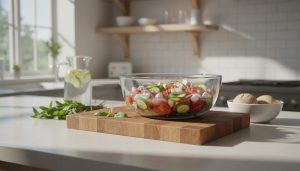
Try a simple veggie-packed stir-fry base—How to Make Quick Veggie Stir-Fry for Weeknights works beautifully here, ready in under thirty minutes for batching. Or settle into mason jar salads with greens, cucumber, and feta, layered for freshness. For breakfast ease, blend ahead with How to Blend a Nutritious Green Smoothie for Breakfast, portioned and waiting.
Adapt gently for what suits you. Vegetarian? Swap tofu for chicken. Love spice? A dash of cumin warms it up. These choices support balanced plates—half veggies, a quarter grains, a quarter protein—without strict rules.
Real life: I lean on lentil soup in cooler months, simmered slow with carrots and spinach. It reheats like a hug, filling without fuss. Choose what draws you; that’s the heart of settling your days through food.
Building a Simple Grocery List Together
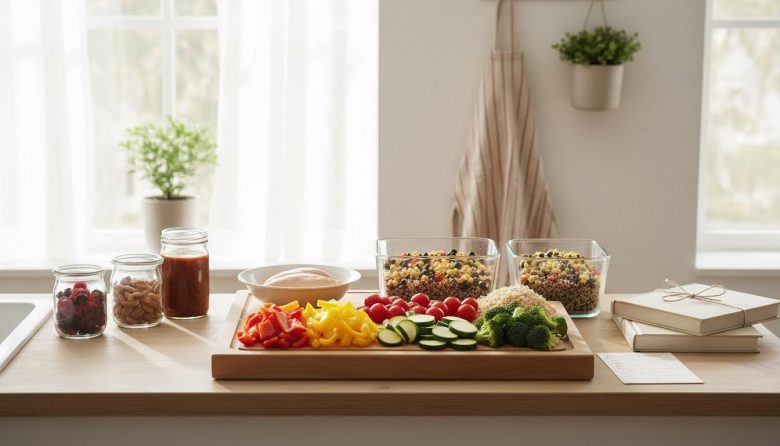
Start with everyday staples that stack your fridge with ease. Grains like oats, quinoa, and rice form the base. Veggies—broccoli, bell peppers, zucchini—add color and softness.
Proteins keep it simple: canned beans, eggs, or ground turkey. Fats like olive oil and avocados round it out. Here’s a gentle list for one week of lunches:
- 2 cups quinoa or rice
- 4 bell peppers, 2 zucchini, 1 broccoli head
- 2 cans chickpeas, 1 dozen eggs
- Olive oil, lemon, herbs
- Containers for storing
Shop once weekly, moving calm through aisles. Focus on sales for veggies; use what lingers in your pantry first. This list flexes—swap spinach for kale if it calls.
In practice, my weekly run includes these, plus yogurt for snacks. It keeps costs low, around twenty dollars for basics, and builds that quiet confidence. Your list evolves, supporting what your body asks for each season.
Your Gentle Four-Step Prep Flow
Follow this airy sequence on a free afternoon, letting each step breathe. No rush; soft music or a podcast keeps it light. Aim for one to two hours total.
- Clear a soft space and gather tools. Wipe your counter, pull out a cutting board, knife, pots, and bowls. Set containers nearby—glass ones with lids feel steady. This moment centers you, like arranging flowers before a vase.
- Chop and cook in gentle batches. Start veggies: slice peppers thin, broccoli into florets. Rinse grains, simmer low. Proteins next—bake chicken or drain beans. Work in waves, tasting as you go for simple seasoning like salt and herbs.
- Portion into easy containers. Divide evenly: grains base, veggies and protein on top. One container per meal keeps it clear. Drizzle oil or dressing last to preserve crispness.
- Cool and store with care. Let sit ten minutes at room temp, then fridge. Label with day and contents if it helps. This seals freshness, ready for your week.
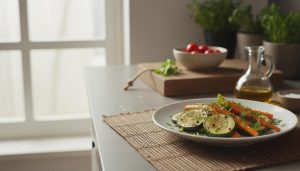
Each step flows to the next, building meals that support you. Tweak as needed—a quicker grill for veggies using How to Grill Veggies Perfectly at Home adds summer ease. Feel how this rhythm settles in.
Soft Ways to Store for Freshness
Everyday containers make storage simple and kind. Glass jars or BPA-free plastics with snap lids keep air out. Fill halfway for easy mixing later.
Fridge zones matter: bottom shelf for ready meals at forty degrees. Crispers for extra veggies. Stack gently, not crammed—space lets cool air flow.
Labels with a marker note dates: “Lunches, use by Friday.” If something wilts, no worry—compost and try smaller next time. Freeze soups in portions for two-week reach.
My routine: salads upright in jars, grains in bowls covered with cloth. It holds three days crisp, four if cool. These ways support freshness without perfection, easing your flow.
Bringing Prep to Your Table Each Day
Reheat softly: microwave on medium, two minutes, stir. Or stovetop simmer for texture. Add fresh greens post-warm for crunch.
Mix it up daily—a sprinkle of nuts, yogurt dollop, or fruit side. This keeps flavors alive without extra work. Breakfast smoothies thaw overnight, blended quick.
Real tweak: Monday quinoa with feta, Wednesday same with avocado. It breathes variety into routine. Pair with a short walk after, letting the meal settle deep.
Your table becomes a pause point. Sip tea beside it, notice how it fuels steadily. This daily bring supports energy through evenings and beyond.
A Few Kind Reminders for Your Start
Begin with one meal, like tomorrow’s lunch. Let that small win build. Be kind if it shifts—habits grow through gentle returns.
Listen to your week: busier Fridays might mean quicker preps. Small changes, like prepping grains Sunday, stack into ease. You’ve got this, one container at a time.
Try it tomorrow: chop a few veggies tonight. Feel the calm carry forward. Nourish softly, and it supports you back.
A Few Common Wonders
Does meal prepping take too much time at first?
It softens with practice—start with one hour for two meals. As rhythms settle, it drops to thirty minutes. Your quiet kitchen moments make it worth the ease.
Is it expensive for beginners?
Not at all; use pantry basics like rice and canned beans. Weekly costs hover low, under thirty dollars for staples. Shop sales gently, and it supports without strain.
What if I don’t like cooking?
Lean into no-cook joys like layered salads or smoothies. Chop once, assemble daily. It eases you in, building quiet comfort over time.
How do I avoid food waste?
Prep for three days only; freeze extras in portions. Taste-test batches small. This kind approach keeps freshness high and waste low.
Can I adapt for different tastes?
Yes, swap proteins or spices freely—vegan beans for meat, mild herbs for bold. Family portions vary gently. It flexes to support everyone’s needs.