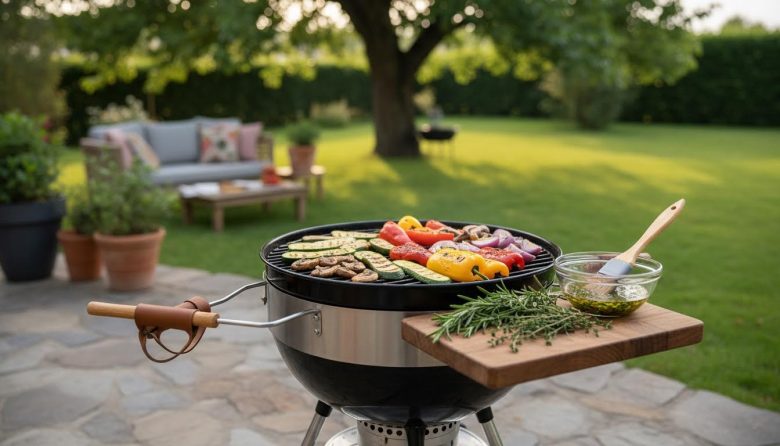
Picture a quiet summer evening, the sun dipping low, casting a soft glow over your backyard. The gentle sizzle of vegetables on the grill fills the air, a simple sound that draws family close. Zucchini slices soften with a light char, bell peppers release their sweet juices, and asparagus tips crisp just enough. This isn’t about perfection—it’s about easing into a ritual that keeps vitamins intact, like vitamin C in peppers that holds steady through that brief kiss of heat.
I remember one family dinner last July. My sister brought over her kids, and we turned a pile of market veggies into something special—grilled zucchini alongside fresh bread and a bit of cheese. No fuss, just that smoky warmth bringing us together. Grilling preserves nutrients better than boiling, letting you savor fiber and antioxidants in a way that feels nourishing without effort.
If you’re new to this, start small. Pick a few veggies you already like, light the grill on a calm afternoon. It’s a gentle way to add color and crunch to meals. What follows are soft steps to make it your own, building habits that settle into everyday life.
Choosing Vegetables That Take to the Grill
Bell peppers, zucchini, eggplant, asparagus, mushrooms, and corn—they all soften beautifully under gentle heat. These picks hold their shape while releasing natural sugars, creating tender bites with a subtle char. Their firm textures ease into the grill’s warmth without falling apart.
Look for seasonal ones at your market; summer zucchini feels fresh and light. For four servings, grab a couple zucchini, two bell peppers, a bunch of asparagus, a small eggplant, and ears of corn. This simple grocery list supports balanced eating—think vitamins A and C easing into your day.
When you’re planning how to build balanced plates every meal, these veggies add easy color and nutrition. Slice them ahead if time allows, or keep it spontaneous. Small choices like these build lasting habits without overwhelm.
Gathering Your Simple Grill Companions
You likely have most tools in your kitchen drawer: long tongs for turning, a soft brush for oil, good olive oil, sea salt, and fresh herbs like thyme or basil. A basket or tray keeps things steady. No need for fancy gear.
Olive oil supports nutrient absorption, helping fat-soluble vitamins from veggies settle into your body gently. A drizzle does the work. This setup invites calm prep, turning ordinary evenings into something warm.
Softly Preparing Each Vegetable
Start with uniform cuts—even slices cook steadily, avoiding burnt edges or raw centers. Zucchini and eggplant at half an inch thick, peppers in wide strips, asparagus trimmed at the base. Mushrooms whole or halved hold moisture well.
Brush lightly with olive oil, sprinkle salt and herbs if you like. For softer veggies like thinner asparagus, a quicker touch works. This step takes just minutes, easing you into the rhythm.
I often prep in morning light, tying it to a morning prep routine for healthy starts. It sets a grounded tone for the day, with veggies ready by evening. Adapt for what you have—frozen corn kernels even work in a foil packet.
Easing Your Grill to the Right Warmth
Whether gas or charcoal, aim for medium heat—direct for char, indirect for gentler cooking. Preheat patiently, about 10 minutes, until it’s steady and warm. Clean the grates first with a brush for safety and ease.
For gas, set to medium; charcoal glows evenly without flames leaping. Test by holding your hand five inches above—if you count to four comfortably, it’s ready. This patient warmth supports even softening.
Last weekend, I walked to the market in soft morning light for charcoal, a small ritual that calms the mind. It ties grilling to simple kitchen tips for faster healthy prep later. Let the grill settle, then you’re set.
A Few Gentle Steps on the Grill
Follow these steps with a steady hand, pausing as needed.
- Preheat to medium—test with your hand hovering above for a four-count. This warmth softens without rushing.
- Arrange veggies without crowding; give space for heat to flow. Start with denser ones like eggplant slices.
- Grill the first side 3 to 5 minutes, until marks appear softly. Peppers might need a touch less, asparagus more flip.
- Turn gently with tongs, supporting each piece. The second side mirrors the first, building that even char.
- Check tenderness with a fork—it pierces easily but holds shape. Rest off heat on a tray, draped with foil if you like.
These steps invite pauses—step back, breathe, tend to other things. Zucchini yields in about eight minutes total, corn in foil steams sweetly. Be kind if one side chars more; it’s still good.
Adding a Whisper of Flavor After Grilling
Right off the heat, squeeze fresh lemon for brightness, or scatter chopped herbs. A light balsamic drizzle enhances natural sweetness, drawing out those grilled notes. Salt if needed, but sparingly.
This finish boosts nutrition—lemon aids iron uptake from greens like kale halves you might add. At a weekend gathering, we plated grilled peppers with basil and a feta crumble; simple joy.
Experiment softly: garlic-infused oil before, or yogurt dip after. These touches settle flavors without overpowering the veggies’ quiet char.
Savoring the Calm Rhythm of Grilled Veggies
Pair with grains like quinoa or a lean protein for full plates. Grill extras for next-day lunches—cold zucchini over greens feels fresh.
Try one evening this week; let the sizzle become familiar. Small changes like this support steady nutrition, easing into habits that last.
Be kind to yourself—imperfect grills still nourish. This ritual grounds evenings in simple wellness.
A Few Gentle Answers
What if my veggies stick to the grill?
Oil the grates well during preheat, and let them sear a moment before turning. Patience helps them release naturally—tongs lift easily then. If it happens, a quick scrape and more oil next time settles it.
Can I grill softer veggies like tomatoes?
Yes, briefly on indirect heat to warm through without turning to mush. Halve them, face up, for two to three minutes. It softens their sweetness gently.
Is grilling healthier than boiling?
It keeps more water-soluble nutrients like B vitamins intact, plus adds a light char for flavor without extra fats. Less loss in the steam. A gentle way to support your body’s needs.
How do I know when they’re done?
Tender with clear grill marks, a fork slides in with ease but they hold shape. Taste one—trust that soft yield. Times vary by thickness, so sense guides best.
What about indoor grilling?
A grill pan on the stovetop works beautifully with the same prep. Medium heat, oil lightly, ventilate softly. It brings that sizzle inside any season.