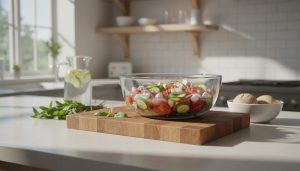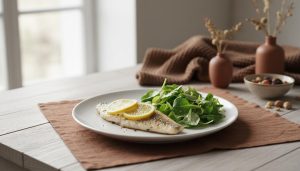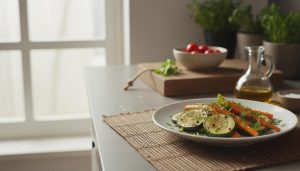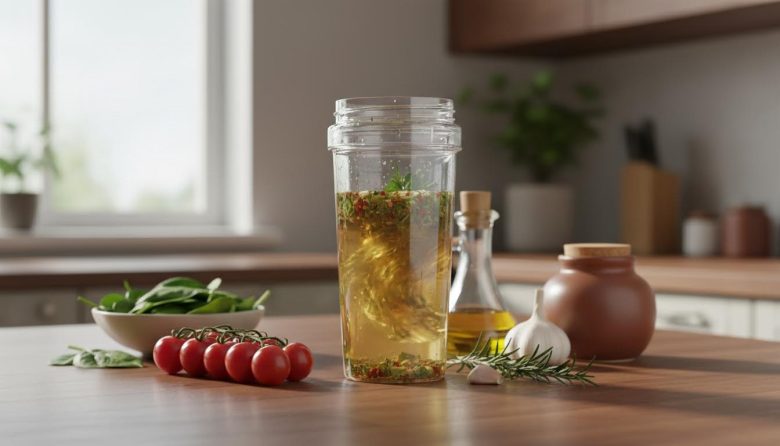
Picture this: a quiet afternoon in the kitchen, sunlight filtering through the window as you drizzle a light, homemade vinaigrette over a bowl of fresh greens. The dressing clings softly to the leaves, bringing out their natural crispness without any heavy sweetness weighing it down. Skipping added sugars in your dressings feels nourishing, like giving your body a gentle steady energy that lasts through the day.
Real flavors shine here—tangy lemon, earthy herbs, a whisper of fruit. It supports steadier blood sugar, eases digestion, and lets ingredients speak for themselves. These small kitchen shifts build habits that settle into your routine, light and unforced.
Let’s ease into blending your first batch. Grab a jar, a few basics from the fridge, and let the process unfold slowly. You’ll taste the difference right away.
Easing Into Creamy and Vinaigrette Bases
Start with simple carriers like olive oil or avocado oil for a smooth base. These soften the dressing’s texture without overpowering. For creaminess, a spoonful of tahini or plain yogurt works gently.
Pair them with mild acids—fresh lemon juice or apple cider vinegar—to lift flavors quietly. A basic ratio is three parts oil to one part acid, adjusted to your taste. This foundation holds everything together softly.
Think of my morning ritual: a quick whisk of olive oil, lemon, and a pinch of salt over spinach and avocado. It settles into the day, fueling without a crash. Such routines make healthy eating feel easy and close.
These bases adapt well. For a richer feel, try walnut oil in cooler months. Always taste as you build, letting your palate guide the balance.
Finding Sweetness in Nature’s Gifts
Nature offers quiet ways to add subtle sweetness. Mashed ripe dates blend in smoothly, their caramel notes emerging without refined sugar. Pureed apples or pears bring a soft fruitiness that mellows acidity.
A touch of pure maple syrup, used sparingly, can round edges too. These choices support steady energy, avoiding the quick spikes of white sugar. They let true flavors settle in harmony.
Once, I reworked a family ranch dressing with blended dates instead of honey. The kids didn’t notice the swap—they just reached for more on their carrots. Small adaptations like this weave into meals naturally.
Experiment with seasonal fruits. Raspberries pureed fine add brightness alongside tartness. Keep portions light to maintain that sugar-free ease.
| Common Sugary Addition | Sugar-Free Swap | Why It Softens In |
|---|---|---|
| Sugar | Mashed ripe banana | Adds creaminess and mild fruit notes without sharpness. |
| Honey | Blended berries | Brings tart brightness and natural depth. |
| Corn syrup | Apple cider vinegar reduction | Builds subtle sweetness slowly over heat. |
| Agave | Pureed pears | Offers gentle mellowing for creamy bases. |
| Brown sugar | Soaked raisins, blended | Infuses chewy richness that blends seamlessly. |
| Maple syrup (excess) | Coconut water reduction | Evaporates to a light, tropical whisper. |
| White sugar | Grated apple | Releases juices for fresh, crisp balance. |
This table shares gentle swaps to try. Each one eases into your mixes, keeping things light.
Layering Herbs and Spices for Depth
Fresh herbs like dill or basil lift dressings softly. A minced garlic clove or mustard powder adds quiet warmth. These build layers without effort.
Start with a short grocery list: olive oil, lemons, fresh dill, garlic, sea salt. That’s your base for many variations. Source them fresh from a local market when possible.
As you chop, pause to breathe in the aromas—they ground the moment. Taste after each addition; a sprinkle more or less makes it yours. This tasting rhythm supports balanced flavors.
For a calming twist, try dried oregano in vinaigrettes. It settles over time, deepening gently. Herbs turn simple bases into something nourishing and alive.
When you want to layer more produce into meals, consider 8 Ways to Sneak More Veggies In alongside your fresh dressings.
Blending Your Dressing with Ease
Whisk by hand in a bowl for control, or shake in a mason jar for simplicity. Add oil last to emulsify smoothly. Ten shakes, pause, taste—let it come together slowly.
For thicker textures, let the blend rest five minutes. This allows flavors to soften and mingle. A quick blender pulse works for creamy versions too.
Picture a quiet lunch: your new dressing over quinoa, cucumber, and feta. Make just enough for one, or double for leftovers. Custom portions keep it fresh and kind.
If it feels too thick, a splash of water eases it back. These steps make blending a soothing ritual, not a chore. Practice once, and it flows naturally next time.
Soft Adaptations for Everyday Meals
Drizzle over grain bowls with roasted veggies and chickpeas. It clings gently, enhancing each bite. For proteins like grilled chicken or tofu, a light coat supports without overwhelming.
Nut-free? Skip tahini for aquafaba or more yogurt. Oil-free versions use veggie broth as base—still creamy and light. These tweaks honor preferences quietly.
Raw veggies love a bold vinaigrette; cooked ones pair with herb creams. One dressing serves many needs. This flexibility builds lasting kitchen confidence.
Pairing with reduced sugars elsewhere? Look into 5 Tips to Reduce Sugar in Recipes for broader ease in your cooking. Or explore Quick Tips for Cutting Oil in Your Favorite Recipes to lighten further.
Start small—adapt one meal tomorrow. Your body thanks these gentle shifts.
Keeping Dressings Fresh Close By
Store in a clean glass jar in the fridge for 5-7 days. The cold slows separation and keeps acids bright. Label with the date for ease.
If it thickens, a swirl of room-temperature water revives it softly. Shake before use—real ingredients naturally settle. This is normal, not a flaw.
Be kind if flavors shift; make small batches to stay fresh. Freezing in ice cube trays works for longer keeps—thaw as needed. These habits make homemade feel sustainable.
Trust your senses: a fresh scent means it’s good. Discard if off, without worry. Freshness comes from care, supporting your daily nourishment.
Common Questions on Sugar-Free Dressings
Can I swap in stevia or monk fruit?
Yes, a pinch eases sweetness softly—start small and taste as you go. These plant-based options blend without bulk, keeping textures light.
Will these last as long as store-bought?
About a week in the fridge suits most; trust your senses for freshness. Without preservatives, they’re alive with real ingredients.
Are they safe for blood sugar concerns?
Whole ingredients support steady levels—chat with your doctor for personal needs. Focus stays on natural balances.
What if my dressing separates?
Just whisk gently; it’s a sign of real separation, not spoilage. Shake and enjoy the freshness.
Can kids enjoy these too?
Absolutely, brighter flavors often win them over—try with fun dips or veggie sticks. Involve them in blending for shared calm.
Pick one swap from the table tomorrow. Be kind to your pace—small steps settle deeply.