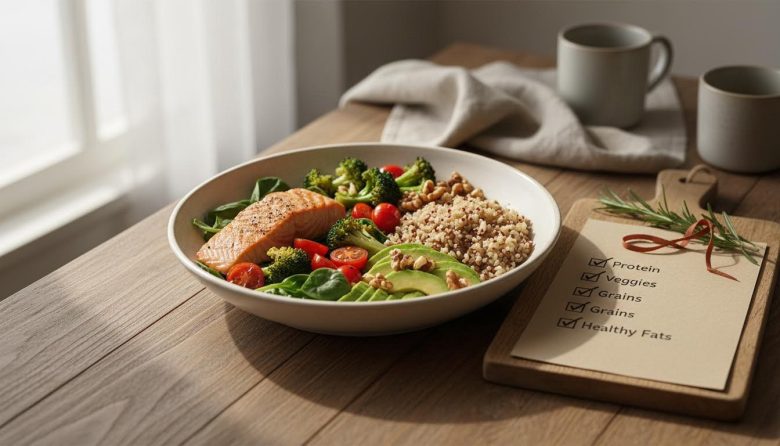
Imagine waking up after a simple dinner of roasted vegetables, a handful of lentils, and quinoa. You feel steady, not weighed down or restless. That’s the gentle gift of balanced plates. In the rush of daily life, meals often become afterthoughts—quick bites that leave us uneven. But the plate method offers a calm way forward: half with vegetables, a quarter protein, a quarter whole grains, and a touch of healthy fats. It eases you into nourishing habits without overwhelm.
This approach draws from everyday kitchens, like my neighbor who swapped takeout for these plates and noticed clearer afternoons. No strict rules here, just a framework to support your rhythm. We’ll explore each part softly, with real prep ideas and tweaks for what fits your life. As Liam Foster, I’ve seen small plates like these build lasting energy in busy families. Let’s settle into it, one section at a time.
Vegetables as Your Gentle Base
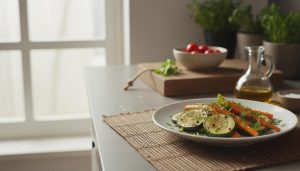
Start by filling half your plate with vegetables. Their colors and textures bring quiet nourishment—think deep greens, orange roots, or red peppers. They settle digestion and provide steady vitamins without much effort.
Roast carrots and broccoli with a light olive oil brush for 20 minutes at 400 degrees. Or keep it raw: slice cucumbers and cherry tomatoes for a fresh crunch. Frozen mixes work too, steamed in five minutes for those short evenings.
Aim for variety to ease boredom—spinach one day, zucchini spirals the next. This base softens the meal’s impact, leaving room for satisfaction. Over time, it supports clearer skin and even moods from the fiber they offer.
Proteins That Support Without Overwhelm
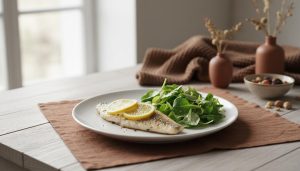
Next, claim a quarter of the plate for protein. Eggs, beans, fish, or tofu ground the meal, helping you feel full longer. They rebuild what the day takes without heaviness.
Try poached eggs over greens for breakfast ease. Lentils simmer in 20 minutes, seasoned with cumin for warmth. Swap chicken for canned salmon if time is short—it’s omega-rich and ready to flake atop your veggies.
For plant lovers, chickpeas roasted crisp add texture. A palm-sized portion per meal keeps things balanced. These choices steady blood sugar, easing the afternoon dip many feel after lunch.
Whole Grains for Steady Rhythm
The final quarter goes to whole grains like quinoa, brown rice, or sweet potatoes. They release energy slowly, supporting focus through the day. Unlike refined carbs, they don’t spike and crash.
Cook quinoa in bulk on Sundays—fluff it with a fork and store for the week. Sweet potatoes bake whole in 45 minutes, their natural sweetness comforting. Barley or farro offers a chewy calm for soups turned plates.
Portion to a fistful; it pairs naturally with your base. This rhythm helps with sleep too, as steady energy winds down gently. Families notice kids settling better after these grains.
A Whisper of Healthy Fats
Drizzle or top with a small amount of healthy fats—avocado slices, a handful of nuts, or olive oil. They help your body absorb vegetable nutrients and add quiet satisfaction.
Quarter an avocado for creaminess that binds the plate. Sprinkle almonds for crunch without excess. Tahini thinned with lemon offers a nutty lift to grain bowls.
Keep it light: one teaspoon oil or 10 nuts max. These fats soften inflammation and curb cravings later. In real life, this touch turns basic plates into something you look forward to.
Ease Into Building Your Plate
With these pieces in mind, assembling feels natural. Follow these four steps for any meal, adapting as life flows. They form a simple rhythm you can repeat daily.
-
Fill half with colorful vegetables – steam, roast, or eat raw for ease.
Grab broccoli, spinach, bell peppers from your grocery list. For vegan ease, all shine raw in salads. Gluten-free? No issue here—these soften any plate base.
-
Add a quarter of gentle protein like beans or eggs.
Stock canned black beans, eggs, or firm tofu weekly. Vegan swap: tempeh grills quick. Listen to fullness; it supports without pushing.
-
Complete the quarter with whole grains for lasting energy.
Quinoa, oats, or millet fit most carts. Gluten-free heads to rice or potatoes seamlessly. Batch-cook to settle weeknight flow.
-
Drizzle or top with a small healthy fat, like nuts or oil.
Avocado, walnuts, or sesame oil add the finish. All diets welcome these—nut-free uses seeds. This seals flavors gently.
Practice once daily; it builds without strain. Grocery snippet: veggies (5 types), proteins (2 cans beans, dozen eggs), grains (quinoa bag), fats (avocado, nuts jar). Tweaks keep it yours.
Everyday Plates from Real Kitchens
Mornings start soft: half plate spinach and tomatoes, quarter scrambled eggs, quarter oats cooked with cinnamon, topped with almond slices. It settles you before the day pulls.
For lunch, when considering 7 Light Lunch Ideas for Workdays, build half roasted zucchini and carrots, quarter chickpeas, quarter brown rice, olive oil whisper. Pack it Sunday for steady middays.
Dinner eases in: half steamed broccoli and cauliflower, quarter baked salmon or lentils, quarter sweet potato mash, avocado dollop. Like ideas in 15 Quick Recipes for Weeknight Dinners or an Evening Cooking Plan for Easy Meals, it wraps the day calmly.
These draw from friends’ tables—a teacher preps lunches this way, feeling lighter. Tweak for kids: smaller portions, fun shapes. Leftovers reheat into new plates seamlessly.
Soft Adjustments for Lasting Habits
Begin with one meal a day using this method. Let it settle without perfection pressure. If a day skips, return kindly—no rush changes stick.
Track gently: note energy after eating. Weekly, add a new veggie or grain. Be patient; bodies respond to consistency over intensity.
Pick one plate to try tomorrow morning. Small steps weave into routines that support you long-term. You’ve got this, one balanced bite at a time.
Common Questions
Can I still enjoy my favorite foods?
Yes, weave them in alongside the veggies and proteins—balance supports what you love without cutting joy. A slice of bread fits as your grain quarter, or cheese as a fat touch. It keeps meals feeling like home.
What if vegetables feel boring?
Try gentle flavors like fresh herbs, a warm roast, or lemon squeeze; start small with one appealing type. Mix textures—crisp lettuce with soft squash. Over time, variety eases the habit naturally.
Is this right for busy mornings?
Prep ahead Sunday or use frozen veggies and overnight oats—it settles into quick routines easily. Eggs microwave in a mug atop spinach. No fuss, just steady starts.
How much protein do I really need?
A palm-sized portion per meal supports you steadily; adjust by feel, not scales. Active days might nudge more beans or fish. Your body whispers what fits—listen softly.
Does this work for different diets?
Easily adapts—swap animal proteins for tofu, grains for cauliflower rice, with the same calm structure. Vegan plates thrive on lentils and nuts; gluten-free loves potatoes. It flexes to your needs.