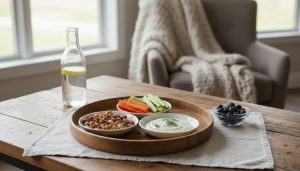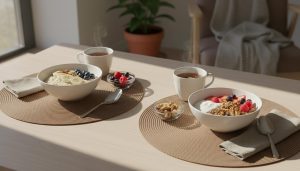
Picture this: soft morning light filters through the kitchen window as you sip your tea, planning a day that feels light on your body. I’ve been there, reaching for the oil bottle out of habit, only to notice how it left me sluggish after meals. Swapping fried eggs for baked ones in a little dish changed that for me—crisp edges without the grease, digestion easing along nicely through the afternoon.
Less oil in cooking supports that gentle flow. It keeps calories in check without you even trying, letting steady energy hum through your hours. Oils add up quietly, about 120 calories per tablespoon, but shifting away opens space for flavors from herbs and veggies themselves.
This isn’t about rules or perfection. It’s small kitchen shifts that settle into your routine, like misting a baking spray instead of pouring. Let’s ease into why this works, then simple ways to stock up and cook light.
Why Less Oil Brings a Gentle Ease
Starting with less oil softens your digestion in quiet ways. Meals sit lighter, so that post-lunch walk feels like a breeze rather than a push. No heavy fog settling in—just clear, even energy to carry you through.
Think of a simple stir-fry from last week. With a splash of broth instead of oil, the veggies glowed tender, and I moved easily into an evening stretch without the usual drag. Nutrition-wise, oils are calorie-dense friends, but leaning on water or steam highlights natural tastes while supporting steady blood sugar.
Your body thanks the space. Less oil means room for whole foods to shine, easing inflammation softly over time. It’s a calm support for daily rhythm, not a big overhaul.
One friend noticed her afternoon slumps fade after ditching oil in morning oats—topped with fruit and nuts instead. Small changes like that build lasting ease.
Stocking Your Pantry for Light Cooking
Build a gentle pantry with everyday finds. Grab baking sprays for a whisper of help, low-sodium broths for sauté bases, vinegars like balsamic for brightness, and fresh herbs to layer depth. These keep things light without feeling sparse.
For vegan tweaks, stock miso paste and tamari; gluten-free folks can lean on rice vinegars and quinoa. I tweak my weekly shop by swapping one oil jar for a broth carton—sudden shift to lighter meals.
Here’s a small essentials checklist:
- Baking spray or brush-on water
- Vegetable or mushroom broth
- Apple cider vinegar
- Fresh garlic, ginger, herbs
- Parchment paper sheets
These invite calm cooking. When you think about how to batch cook healthy meals for busy weeks, a light pantry makes prepping even simpler.
Baking That Warms Without the Weight
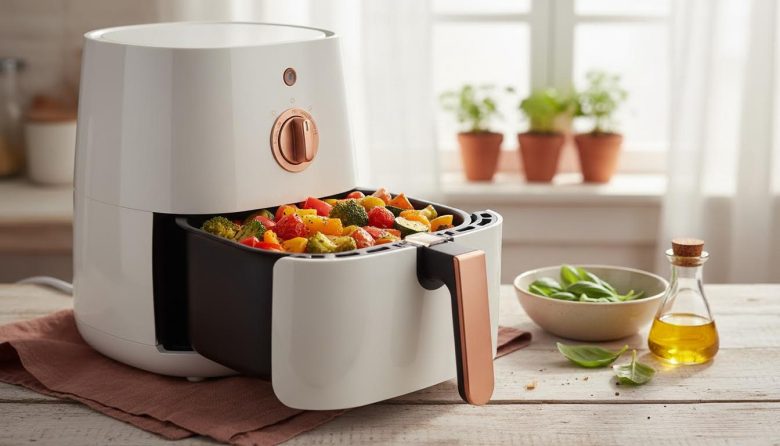
Baking eases food into tenderness without oil’s hold. Line a sheet with parchment, scatter chopped veggies or tofu, and let low heat—around 375°F—draw out sweetness. A drizzle of balsamic settles in as it warms.
Try a sheet-pan meal: carrots, zucchini, and chicken breasts side by side. After 25 minutes, everything’s golden, flavors deepened naturally. No pool of oil—just soft, satisfying bites.
This method supports lighter evenings. Your kitchen fills with warm aromas, body stays at ease. Adjust times for proteins; fish takes less, about 15 minutes.
I bake potatoes this way now, misted lightly, paired with yogurt. It settles hunger without the fry’s aftermath.
Steaming and Broiling for Soft Flavors
Steaming keeps nutrients close, flavors pure. Set up a basket over simmering water, add broccoli or greens for 5-7 minutes—they emerge vibrant, almost glowing. A squeeze of lemon wakes everything softly.
Broiling adds a gentle char. Position fish or eggplant close to the top element for 4-6 minutes per side; watch closely for that tender edge. It’s quick, hands-free warmth.
Pair with how to create filling flavorful salads daily—steamed veggies nestle in beautifully for complete lightness. These ways honor food’s own moisture.
Last Tuesday, broiled salmon with herbs felt luxurious yet easy on the system. Steady energy followed right through.
Sautéing with Broth or Water
Shift sautéing to broth for familiar sizzle without oil. Heat a pan, add a tablespoon of veggie broth, then onions—they soften and sweeten slowly. Deglaze with a splash more as needed.
For stir-fries, use water first for sturdy veggies like peppers, then broth for greens. It takes a touch longer, but caramelization happens through patience. Stir gently, taste the build.
This fits busy flows. Onions in broth become a base for grains or eggs, light and versatile. I do this most mornings now—grounds the day softly.
Adapt for spice: ginger in water releases warmth cleanly. Your pan stays happy, meals stay light.
Layering Tastes Without the Fry
Fry’s crisp comes from elsewhere—spices, acids, umami. Rub proteins with smoked paprika and citrus zest before baking; it blooms in heat. Miso whisked into broth adds savory depth without weight.
A light dressing: vinegar, mustard, a touch of water—emulsifies softly over greens. Herb rubs on veggies settle flavors as they steam.
Taste as you go; adjust with tamari or nutritional yeast for that extra nudge. These layers make low-oil feel abundant. Try on roasted roots—they sing.
Evenings unwind easier this way. Body settles content, no grease lingering.
Easy Everyday Swaps
Seeing swaps side by side clarifies the ease. Traditional methods weigh down with oil; lighter paths lift flavors naturally. This table shares gentle shifts for your kitchen routine.
| Traditional Way | Lighter Swap | Simple Tip |
|---|---|---|
| Deep-fry veggies | Air-bake or broil | Use parchment; 400°F for 20 min |
| Pan-fry onions | Water-sauté | Add broth splash; stir low heat |
| Fry eggs | Bake in dish | Mist spray; 350°F, 10 min |
| Oil-stir-fry tofu | Broth steam-fry | Cube small; lemon finish |
| Sauté garlic heavy | Dry-toast then broth | Watch closely; deglaze |
| Fried potatoes | Baked wedges | Season bold; shake halfway |
| Oily dressings | Vinegar-water mix | Whisk mustard in |
| Pan-sear fish | Broil with herbs | Top rack; 5 min per side |
Pick one row to try soon. These keep meals familiar yet freeing. Notice how your energy softens into the day.
Thinking ahead with a daily snack routine to stay full pairs perfectly, bridging light meals seamlessly.
Common Questions on Lighter Cooking
Will my meals taste bland without oil?
Not at all—acids like lemon and vinegars brighten, spices deepen, broths add umami. Start with bold herbs; flavors layer in surprisingly rich ways. Your palate adjusts gently over a week or two.
Is it safe to cook without any oil?
Yes, for most methods—steam, bake, broil all work beautifully on modern pans. Use broth or water for sautéing to prevent sticking. Listen to your equipment; a good pan supports this ease.
What if I need oil for non-stick pans?
A light mist from baking spray or a wet paper towel swipe does the trick. Parchment or silicone mats eliminate the need entirely. Treat your pans kindly with heat first—they release food softly.
Can I still make crispy foods?
Absolutely—broiling or air-baking crisps edges naturally. Parchment prevents soggy bottoms; space pieces out. Think roasted chickpeas—they crunch without a drop of oil.
How do I start with one small change?
Choose one meal, like morning eggs baked instead of fried. Notice how it feels, adjust seasonings. Be kind if it takes a few tries—small steps build the habit gently.
Try that one swap tomorrow morning. Let it settle into your rhythm, kind to yourself along the way. Your body will ease in gratefully.